
Seeing Something You Cannot Explain?
RightWay provides termite inspections, treatment and ongoing protection in selected Northeast Florida communities. Share your address and what you found so the team can recommend the next step.
The Termites Behind These Signs in Northeast Florida
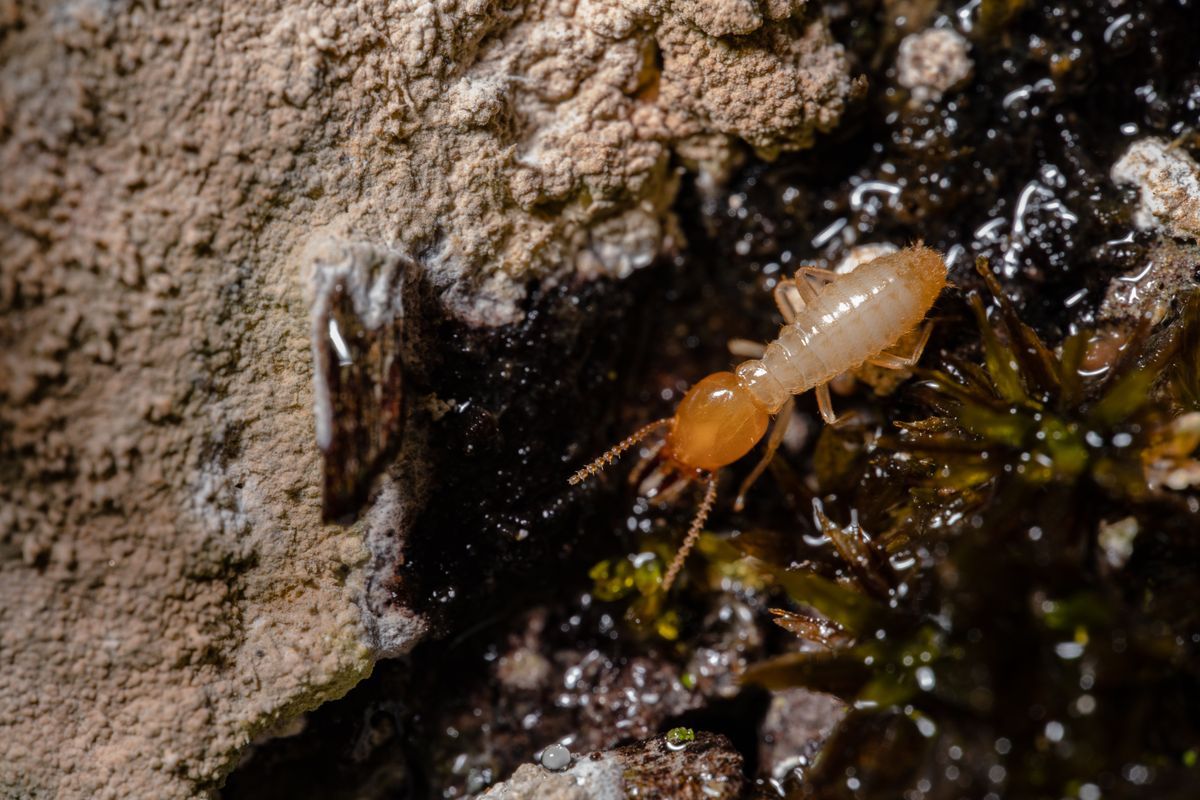
Three groups cause nearly all termite problems locally. Native subterranean termites, including the eastern subterranean termite, live in the soil and are the most common. Formosan subterranean termites are an invasive species with much larger colonies and faster damage, and they are established across Florida, including the Jacksonville area. Drywood termites live entirely inside the wood they eat and need no soil contact at all.
The type matters because each leaves different evidence. Subterranean termites build mud tubes and need moisture. Drywood termites leave pellet-like droppings. Knowing which sign you are looking at points to which termite you are dealing with.
The 7 Signs of Termites
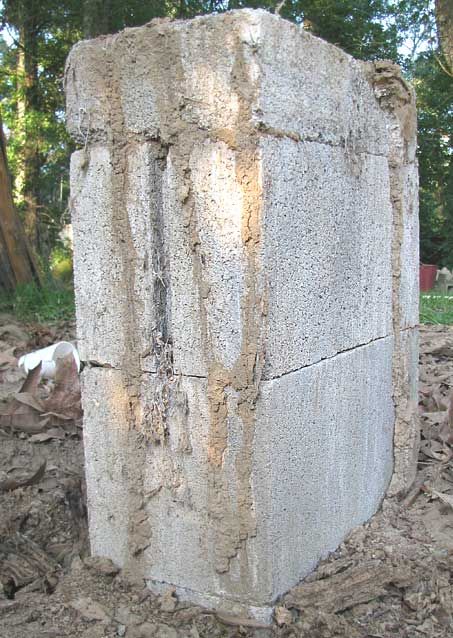
1. Mud Tubes on Foundations, Piers or Walls
Subterranean termites cannot tolerate dry air, so they build pencil-width tunnels of soil and saliva to travel between the ground and the wood in your home. Look along the foundation, on concrete piers, behind stored items in the garage and around plumbing penetrations. An intact tube with moist soil inside usually means recent activity.
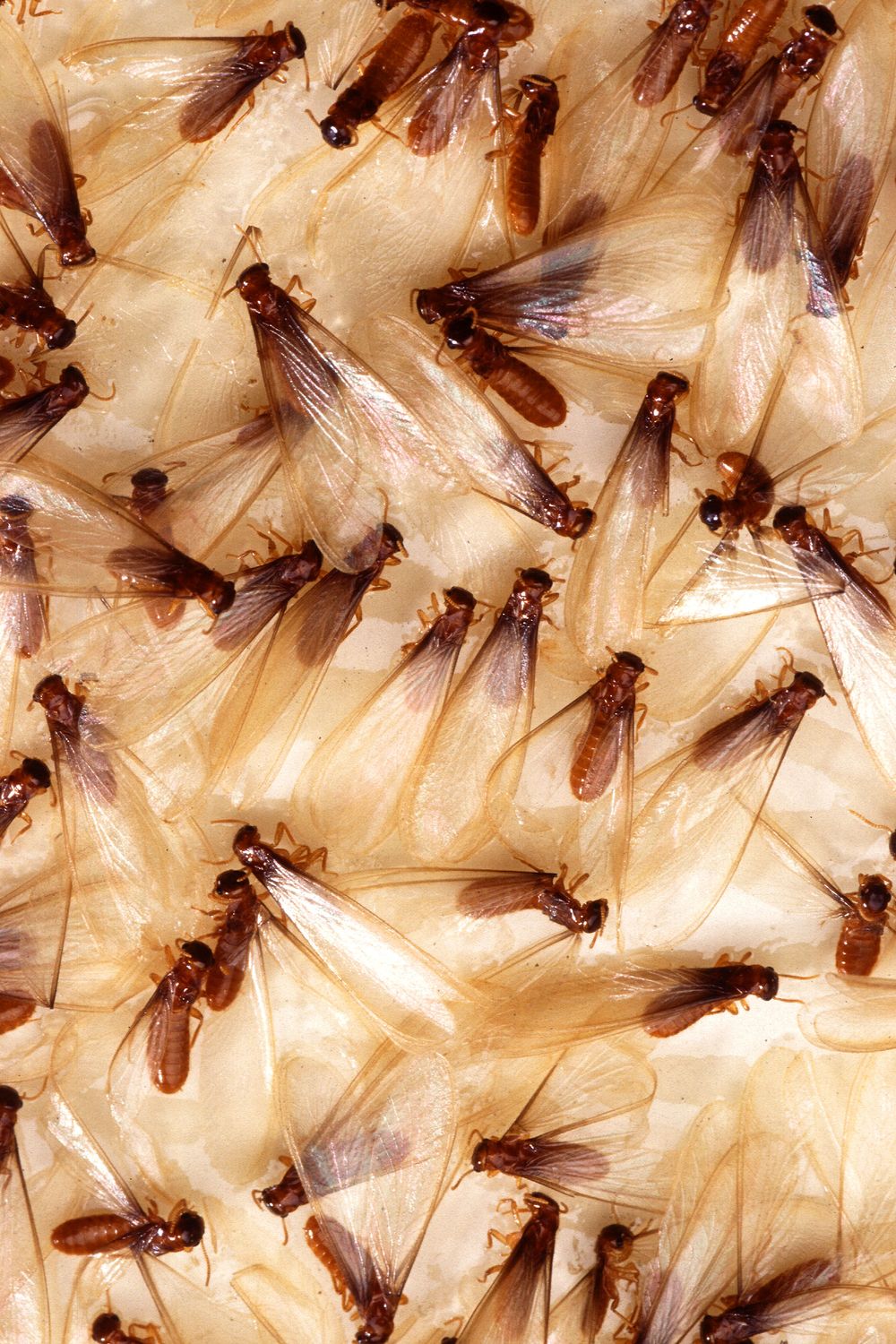
2. Swarmers or Piles of Discarded Wings
Winged termites, called swarmers or alates, leave the colony to start new ones. In Northeast Florida, native subterranean termites typically swarm on warm spring days, while Formosan termites swarm in the evening from about April through June and gather around lights. After landing, they shed their wings, so small piles of identical wings on windowsills, near door frames or in spider webs are a classic sign. A swarm indoors almost always means a colony is in or under the home.
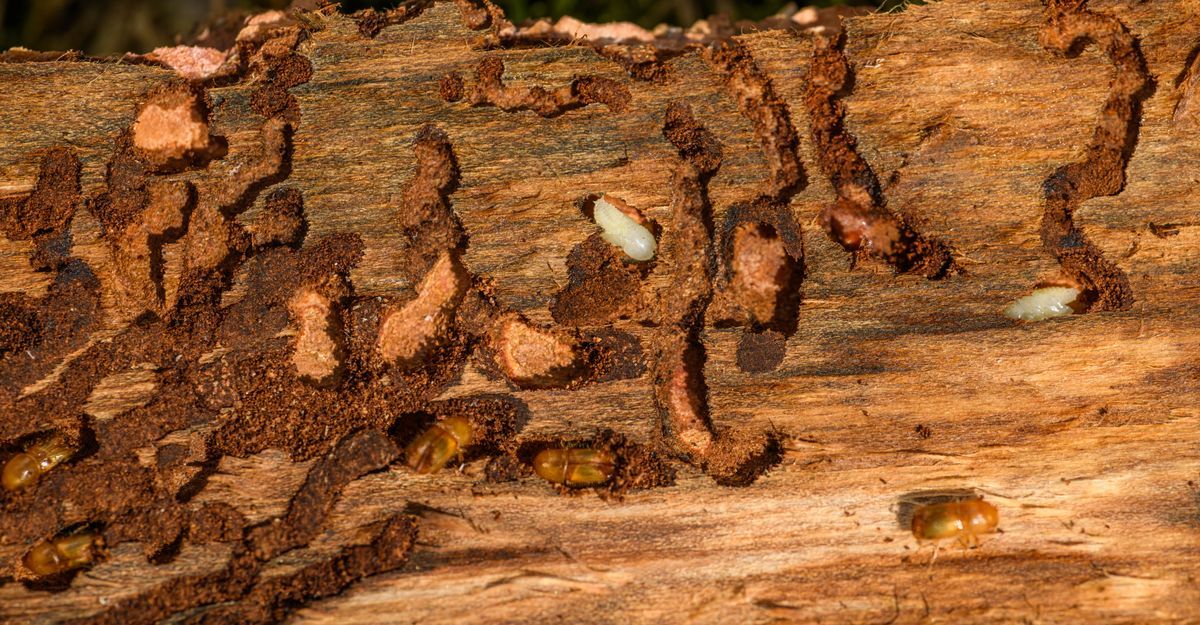
3. Hollow-Sounding or Damaged Wood
Termites eat wood from the inside out, often leaving a thin surface layer intact. Tap baseboards, window trim, door frames and exposed beams: a hollow or papery sound deserves a closer look. In advanced cases, wood may blister, crumble under light pressure or show maze-like galleries once the surface is opened.
4. Small Piles of Pellet-Like Droppings (Frass)
Drywood termites push their droppings out of tiny kick-out holes in the wood. Frass looks like small piles of hard, six-sided pellets, similar in size to coarse sand or ground pepper, and collects on floors, windowsills or furniture below the infested wood. Finding frass points to drywood termites rather than subterranean ones, and the treatment approach is different.
5. Bubbling, Peeling or Uneven Paint
Termite activity and the moisture that comes with it can make paint bubble, peel or look rippled, and can leave drywall or paneling looking uneven. These surfaces mimic water damage, so they are easy to dismiss. If the area shows no plumbing leak or roof stain, termites belong on the list of suspects.
6. Doors and Windows That Suddenly Stick
As termites consume and weaken wood, frames can warp. Doors and windows that used to move freely may begin sticking in their frames. Humidity causes the same symptom, so sticking alone proves nothing, but sticking combined with any other sign on this list should move an inspection up your list.
7. Faint Clicking or Rustling Inside Walls
In quiet rooms, an active infestation can sometimes be heard: a faint rustling as workers feed, or soft clicking when soldier termites bang their heads against tunnel walls to signal danger. Sound is a late and unreliable sign, but when homeowners do hear it, the colony is usually well established.
Termite or Flying Ant? A 30-Second Check
Flying ants are the most common case of mistaken identity, and the difference changes what you do next. Catch one insect or find an intact winged specimen and compare:
| Feature | Termite | Flying Ant |
|---|---|---|
| Waist | Broad, no pinch between body sections | Narrow, pinched waist |
| Antennae | Straight, like a string of beads | Elbowed or bent |
| Wings | Two pairs, equal length, shed easily | Front pair longer than back pair |
| Color | Creamy to dark brown, soft-bodied | Usually darker, hard-bodied |
Still not sure? Save a few insects or wings in a sealed bag. UF/IFAS offers termite identification services, and a RightWay technician can confirm the species during an inspection.
Found a Sign? What to Do First
- Do not disturb the area. Avoid breaking open mud tubes, pulling off damaged trim or spraying store-bought product. Disturbance can push the colony into new areas of the home.
- Document what you see. Take clear photos of tubes, wings, pellets or damaged wood, and note the location and the date you first noticed it.
- Collect a sample if you can. A few wings, pellets or insects in a sealed bag or container helps a professional confirm the termite type quickly.
- Check moisture sources. Note any leaks, clogged gutters, AC condensation lines or wood touching soil near the same area, since moisture supports termite activity.
- Schedule a professional inspection. A licensed technician can confirm the species, measure how far activity has spread and recommend the right treatment and protection plan.
Why Northeast Florida Homes Stay at Risk
Termite pressure here is not seasonal background noise. Industry estimates put termite damage at more than $5 billion per year in the United States, and most standard homeowners insurance policies do not cover it. Four local factors keep our area near the top of the risk map:
Year-Round Warmth
Mild winters let subterranean colonies feed in every season. Protection here is a twelve-month job, not a spring project.
Formosan Pressure
Formosan subterranean termites, an aggressive invasive species with very large colonies, are established across Florida, including the Jacksonville area.
Older Housing Stock
Historic and mid-century homes in St. Augustine and older Jacksonville neighborhoods offer untreated wood, crawl spaces and decades of hidden access points.
New Construction Gaps
In fast-growing communities like Nocatee and Silverleaf, pre-treatments age and landscaping changes soil conditions. New does not mean immune.
Local Termite Help From RightWay
RightWay's termite control service starts with an inspection, then matches treatment and long-term protection to the property. Homes that need broader coverage can pair it with year-round pest control for the ants, roaches and spiders that come with the same climate. Homeowners can also review service information for St. Augustine, Ponte Vedra, Nocatee and other St. Johns County communities.
Service is available in selected Northeast Florida communities. Contact RightWay through the quote form or call 904-290-6400 with your address and a description of what you found.