
Seeing Spongy Spots or Digging Damage?
RightWay inspects suspicious lawn damage, identifies whether grubs or another pest is responsible and recommends treatment only for what is actually found. Share your address and what you are seeing.
What Grubs Are (and Why Florida Lawns Attract Them)
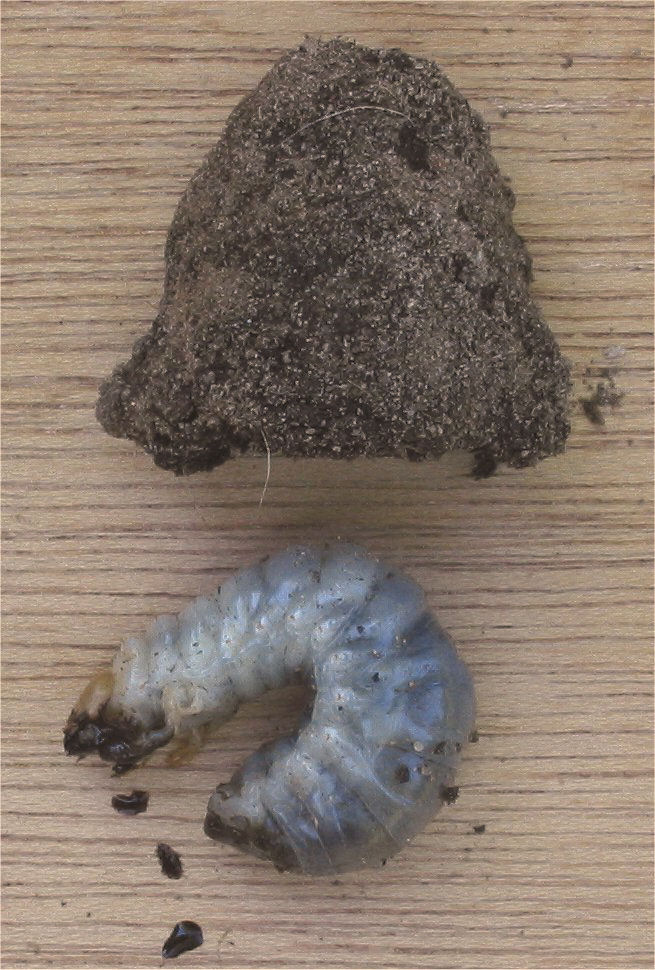
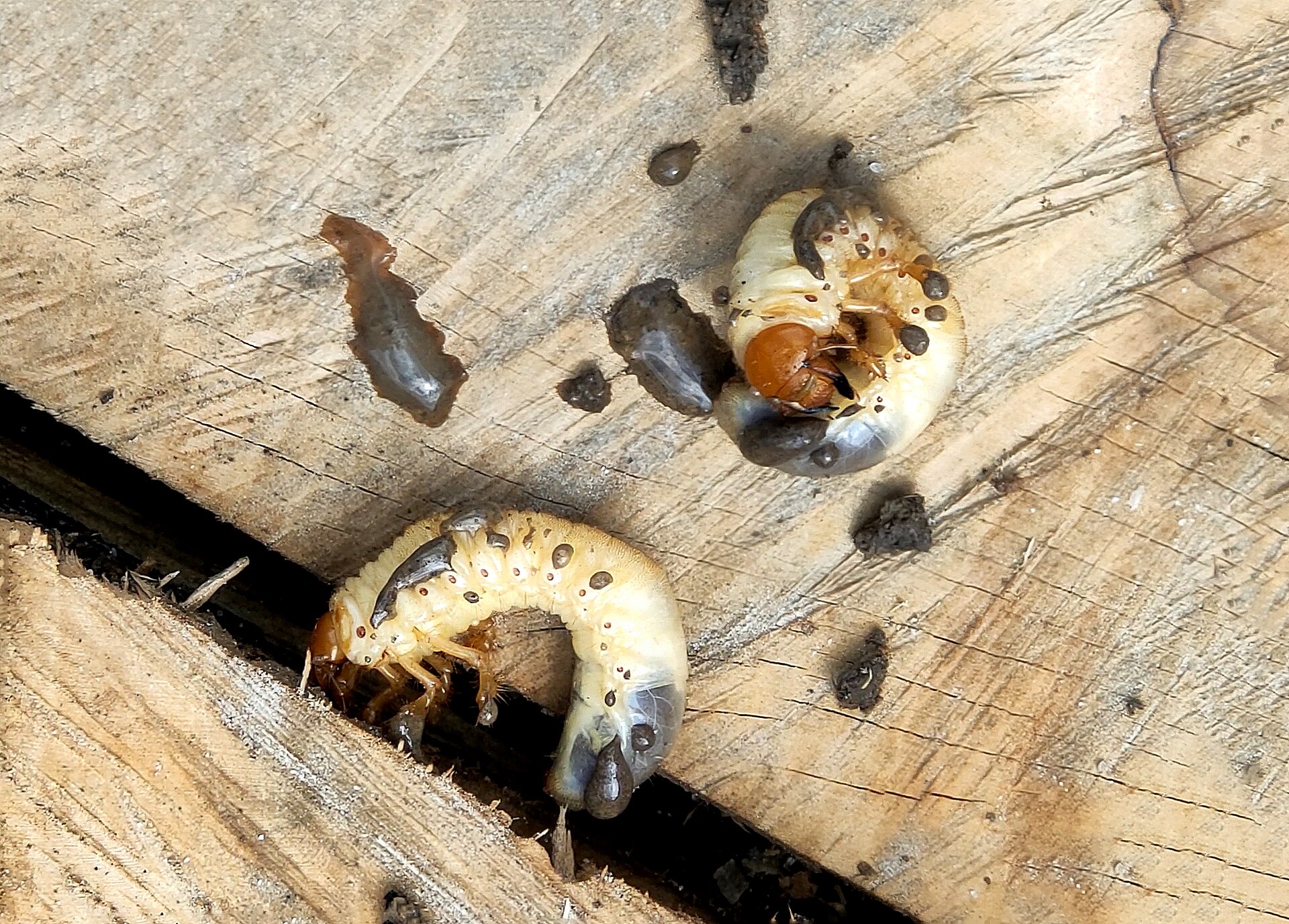
Grub worms are not worms at all. They are the larval stage of scarab beetles, including June beetles and masked chafers. Adult beetles lay eggs in the soil in early summer, the larvae hatch and spend weeks to months feeding on grass roots, then pupate and emerge as the next generation of beetles.
Florida lawns make easy targets. Sandy soil is simple for beetles to burrow into, irrigation keeps the ground soft and moist, and our long warm season gives larvae an extended feeding window. Well-watered, thick lawns are actually the most attractive egg-laying sites, which is why grub problems often show up in the best-kept yards on the street.
The 5 Signs of Grubs in a Florida Lawn
1. Spongy, Bouncy Turf
Walk across the suspicious area. When grubs sever the roots, sod loses its anchor and the ground feels soft, spongy or slightly bouncy underfoot. This is often the first sign homeowners notice, weeks before the grass changes color.
2. Brown Patches That Peel Back Like Carpet
As root loss catches up with the grass, irregular brown patches appear and spread. Grab a handful of browned turf and pull: if it lifts easily with no roots attached, grubs belong at the top of the suspect list. In Northeast Florida this typically shows up from late summer into fall.
3. Armadillos, Raccoons and Birds Digging Overnight
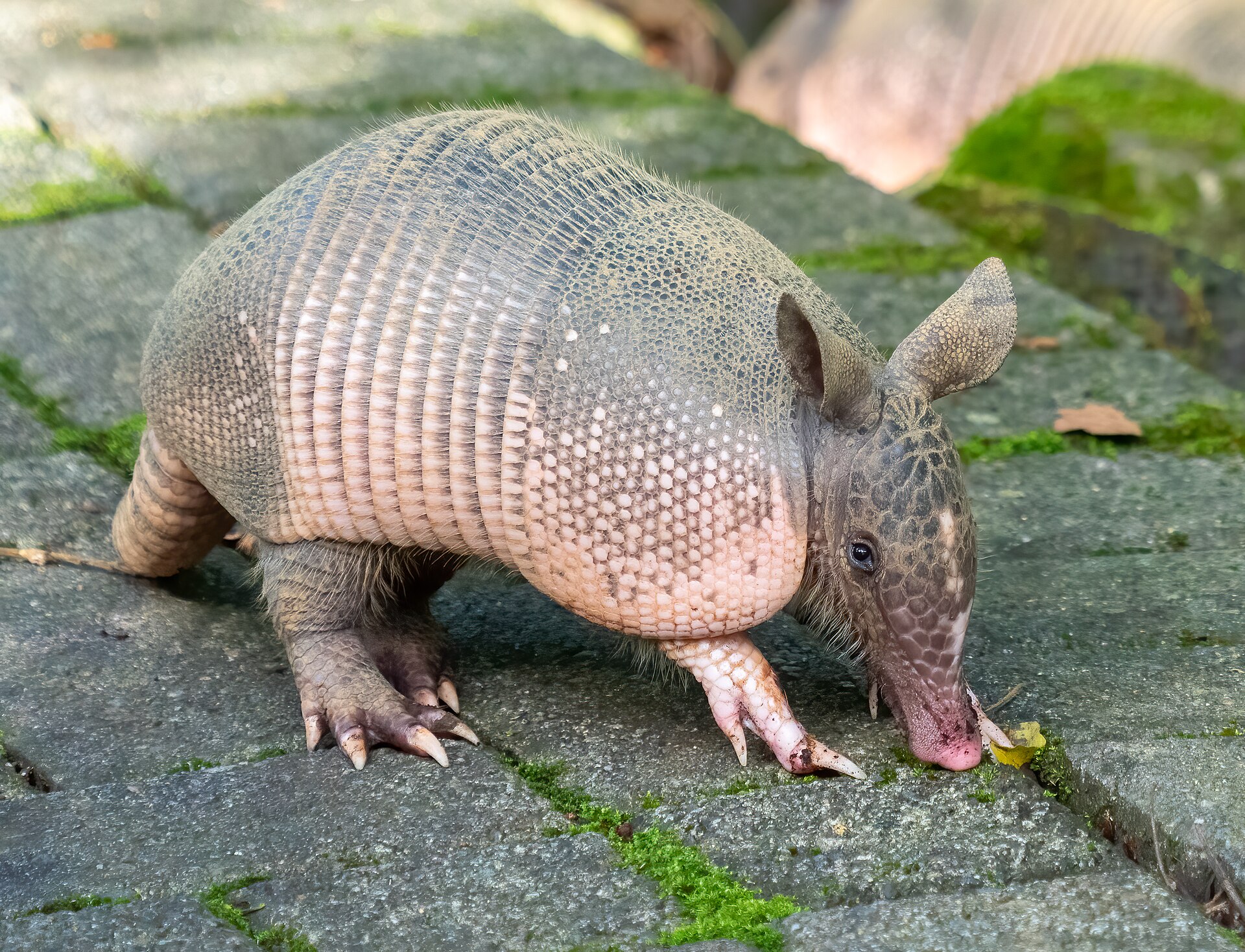
Fresh divots, small cone-shaped holes and torn-up turf, especially damage that appears overnight, usually mean animals are feeding on something below. Armadillos are the usual suspects in Northeast Florida, and they rarely dig this persistently unless grubs or similar soil insects are concentrated in the area.
4. Beetles Swarming Lights in Early Summer
June beetles and chafers gather around porch lights and streetlights on warm early-summer nights. Heavy beetle activity in June and July often previews grub pressure in August and September, since the eggs those beetles lay become the larvae that feed on your roots.
5. Damage That Ignores Irrigation
Watering a grub-damaged patch does nothing, because the roots needed to absorb that water are gone. Brown areas that keep expanding despite faithful irrigation deserve a soil check rather than more sprinkler time.
How to Confirm Grubs in Ten Minutes
The cut-and-lift test is the standard way to turn a suspicion into a count:
- Pick several spots, especially at the edge of brown patches and in sunny areas. One test hole tells you little; four or five tell you a lot.
- Cut a square foot of sod on three sides with a spade or sturdy knife, about two to three inches deep.
- Peel the sod back slowly. Healthy sod resists because roots anchor it; grub-damaged sod rolls back like loose carpet.
- Count the grubs in the exposed soil. They are white, C-shaped and up to about an inch long when mature.
- Note the number per square foot across your spots, then replace the sod and water it back in.
Grubs, Chinch Bugs or Drought? A Quick Comparison
All three turn lawns brown in overlapping seasons, and the fix is different for each:
| Clue | Grub Damage | Chinch Bugs | Drought |
|---|---|---|---|
| Pattern | Irregular patches, worst in sun; sod peels back like carpet | Spreading straw-colored patches starting near pavement | Dry areas match irrigation gaps or slopes |
| Feel underfoot | Spongy or bouncy from severed roots | Normal firmness | Hard and dry |
| Responds to watering? | No; roots are gone, water cannot help | No; keeps spreading despite irrigation | Yes; greens up within days |
| Peak season locally | Late summer through fall | Late spring through summer heat | Any hot, dry stretch |
Chinch bug damage deserves a special mention because it is the most common misdiagnosis locally. Our chinch bug damage guide walks through that inspection step by step. Another fall feeder to know is the fall armyworm, which strips grass blades above the surface instead of attacking roots.
Local Lawn Help From RightWay
RightWay's lawn fertilization, weed control and lawn-pest service includes lawn-pest monitoring, so grub activity gets caught at the damage border instead of after the sod starts lifting. Homeowners can also review service information for Silverleaf, Nocatee and other St. Johns County communities.
Service is available in selected Northeast Florida communities. Contact RightWay through the quote form or call 904-290-6400 with your address and a description of the damage.