
Last updated October 23, 2026. The watering rules come from a temporary water shortage order, so check the district watering restrictions page for the current status.
The good news from University of Florida researchers is that most Florida lawns can stay healthy on far less water than homeowners expect, as long as the water goes on the right way. Here is the schedule, who it applies to and how to adjust.
Not sure whether your lawn is thirsty, diseased or damaged by pests? Ask RightWay to take a look.
What the Phase III Water Shortage Means for Your Lawn
The district's order covers Duval and St. Johns County, along with several neighboring counties. For homes, the rules that matter most are:
- One day a week: odd-numbered addresses water on Saturday and even-numbered addresses water on Sunday. Non-residential properties water on Tuesday.
- No daytime watering: landscape irrigation is prohibited from 8 a.m. to 6 p.m.
- All year: the one-day schedule applies regardless of time of year, so it does not change when daylight saving time ends.
- New plantings: sod and other new plants can be watered on any day for the first 15 days, up to 3 days a week for the next 30 days, then 2 days a week for the final 15.
- No waste: wasteful and unnecessary water use is prohibited, including runoff onto streets, sidewalks and driveways.
The City of Jacksonville states that these restrictions replace its usual watering schedule while the shortage lasts, and its irrigation page still listed the shortage as in effect in late October 2026. Orders like this can change, so confirm your day on the St. Johns River Water Management District page before you reset a timer.
Does My Address Follow a Different Schedule?
Most do not, but a few situations are worth checking:
- Reclaimed water and private wells: the City of Jacksonville says both must follow the district's restrictions.
- Nocatee: homes on JEA reclaimed water have assigned zone watering days, and reclaimed service is unavailable two days a week. Look up your zone at jea.com/nocateewatering. If you are not assigned a zone, follow the district schedule. Lawn care for Nocatee follows the same rules.
- HOA and community irrigation: many neighborhoods run one master controller. Ask the board or landscape contractor to confirm it was reset to one day.
- Commercial properties: Tuesday, with the same 8 a.m. to 6 p.m. ban.
Will My St. Augustine Lawn Survive One Day a Week?
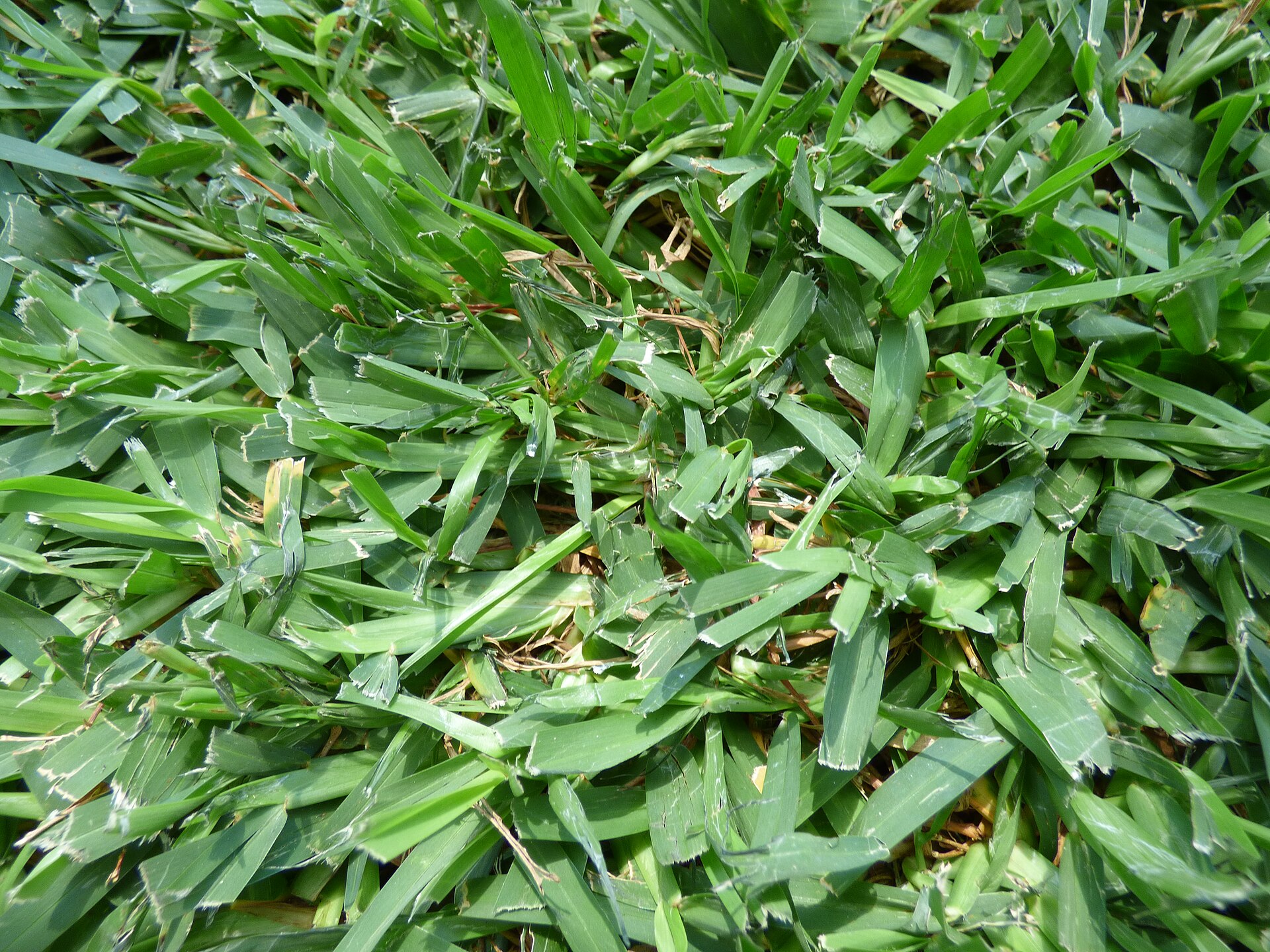
Usually, yes. UF/IFAS reports that most turf damage in Florida comes from overwatering, not under-watering, and that lawns can survive extended dry periods on irrigation one to two days a week when 1/2 to 3/4 inch of water is applied each time. Warm-season grasses can also go dormant during a drought and recover when water returns. A lawn that turns a little pale is not necessarily a dying lawn.
UF/IFAS tells homeowners to let the lawn show when it needs water. Look for any one of these signs:
- Folded leaf blades: blades curl in half lengthwise to save water.
- Blue-gray color: the lawn turns from green to a dull bluish gray.
- Lasting footprints: tracks stay visible long after you walk across the grass.
On your watering day, if you see none of these signs, you can skip a cycle and let the soil dry down.
How to Water a St. Augustine Lawn on One Day a Week
- Set the timer for early morning on your day. UF/IFAS recommends watering between 4 a.m. and 8 a.m., which fits inside the allowed window and lets blades dry at sunrise. Evening or night watering keeps leaves wet and invites disease.
- Apply 1/2 to 3/4 inch in one watering. UF/IFAS says run times should rarely exceed 60 minutes for rotary or impact sprinklers, or 20 minutes for spray heads.
- Measure what your system really puts out. Set shallow cans, such as tuna cans, around the lawn, run the system and measure the water. Uneven coverage shows up fast during a drought.
- Fix leaks and misaligned heads. Make sure sprinklers water turf, not the driveway. A working rain sensor is required on systems installed after 1991 in Jacksonville.
- Never water to the point of runoff. Water that runs off is wasted and carries lawn chemicals into storm drains.
Mow, Feed and Treat Differently During a Water Shortage
- Mow high: UF/IFAS recommends 3.5 to 4 inches for standard St. Augustine cultivars and about 2.5 inches for dwarf types. Never remove more than one-third of the blade in one mowing. Taller grass roots deeper.
- Keep the blade sharp and mow dry: clean cuts heal faster and stress the lawn less.
- Hold off on fertilizer: UF/IFAS advises postponing fertilizer until the shortage passes, because you do not want a stressed lawn pushing new growth. Lawn care professionals can still apply at low rates through a dry spell. See the St. Augustine fertilizer schedule for the local rules.
- Postpone herbicide: weed killers add stress to a lawn that is already short on water.
- Spot-treat pests only after you know what they are: insecticides can damage drought-stressed turf.
Drought Stress or Chinch Bugs? How to Tell
Chinch bug damage can look exactly like drought. UF/IFAS notes that the early patches of yellowing grass often get blamed on dry weather, which lets damage spread, and that sunny areas and drought-stressed turf are attacked first. If a patch keeps spreading even on your watering day, part the grass at the edge of the damage and look in the thatch for tiny insects. Our guide to chinch bug damage in St. Augustine grass shows how to check.
Fall brings another look-alike. Cool, damp weather can trigger large patch fungus, which causes round brown patches that have nothing to do with dryness. Our guide to large patch in St. Augustine grass explains how to tell the difference.
Watering New Sod During the Shortage
New sod gets a shorter establishment window under Phase III: any day for 15 days, up to 3 days a week for the next 30 days, then 2 days a week for 15 days. Keep your sod delivery receipt in case anyone asks, water in the early morning and watch the edges and seams for dryness. If you are planning a new lawn, ask whether it can wait until the shortage lifts.
When to Call a Professional
- Patches keep spreading even though you are watering on your day.
- Your irrigation system covers the lawn unevenly and you cannot find the cause.
- You are not sure whether brown areas are dormancy, disease or insects.
- A new lawn or fresh sod is struggling under the one-day schedule.
RightWay's lawn fertilization, weed control and lawn pest service is built around Northeast Florida conditions, with treatment timing that follows turf growth and weather. If you are in Ponte Vedra, St. Augustine or elsewhere in St. Johns County, share your address and what the lawn is doing.
Sources
- St. Johns River Water Management District: Phase III Extreme Water Shortage order 2026-017 (May 2026) and https://www.sjrwmd.com/wateringrestrictions/
- City of Jacksonville: Irrigation and Fertilizer, and Irrigation and Fertilizer FAQs (https://www.jacksonville.gov/departments/office-of-administrative-services/environmental-quality/resources/irrigation-and-fertilizer)
- JEA: Nocatee reclaimed water conservation schedule (https://www.jea.com/nocateewatering) and residential irrigation tips (https://www.jea.com/waterconservation/)
- UF/IFAS Gardening Solutions: Lawn Management During Drought; Dealing with Water Restrictions
- UF/IFAS EDIS: Watering Your Florida Lawn (LH025); Let Your Lawn Tell You When To Water (EP054); St. Augustinegrass for Florida Lawns (LH010)
- UF/IFAS Gardening Solutions: Chinch Bugs; UF/IFAS EDIS: Managing Southern Chinch Bug in Warm Season Turfgrasses (LH036)