
Not Sure What Your Lawn Needs This Winter?
RightWay reviews lawn condition, identifies what is behind brown or thinning areas and builds the treatment plan around the property. Share your address and what you are seeing.
How Northeast Florida Winters Actually Treat Your Lawn
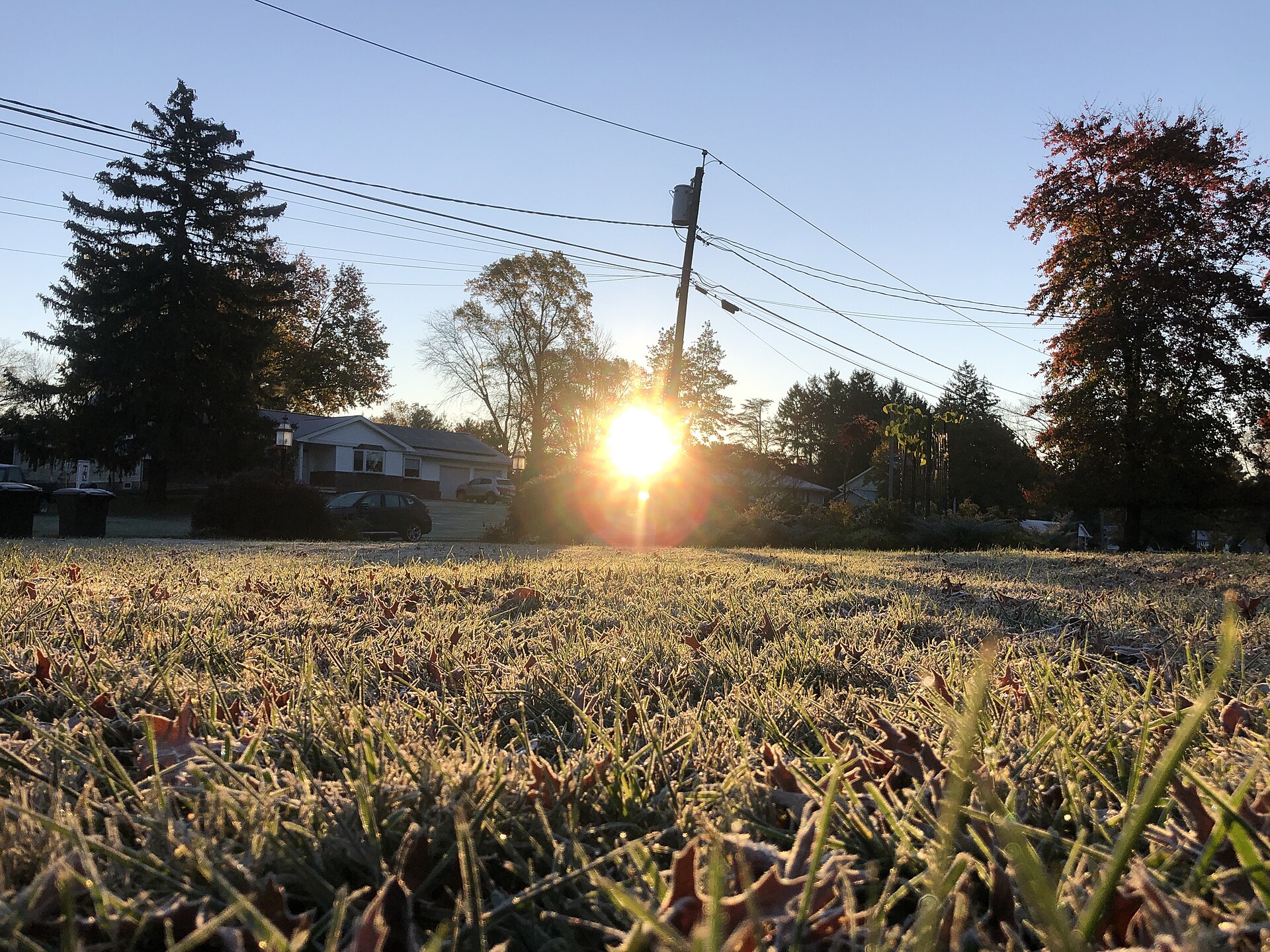
Winters in the Jacksonville and St. Augustine area are mild on average, but a handful of hard frosts arrive almost every year. St. Augustine grass, the most common local turf, responds by slowing to a crawl and sometimes browning after a freeze. Bermuda and Zoysia go further and can look fully dormant for weeks.
Two things matter about this pattern. First, the soil rarely gets truly cold, so roots stay alive and the lawn is not asleep, just idling. Second, cool and wet is the favorite combination of large patch fungus, which is why the most common winter lawn mistake is kindness: too much water, too much fertilizer, at exactly the wrong time.
What to Do From December Through February
Six habits carry a Northeast Florida lawn through winter in good shape:
- Water only when the lawn asks for it. Folded leaf blades, a blue-gray tint and footprints that stay pressed are the signs. Cool soil holds moisture far longer than summer soil. Duval and St. Johns County homes are also limited to one irrigation day a week while the regional water shortage order stands (odd addresses Saturday, even addresses Sunday, never 8 a.m. to 6 p.m.).
- Mow less often and keep the deck high. Taller blades insulate crowns from frost and keep the lawn photosynthesizing on warm days.
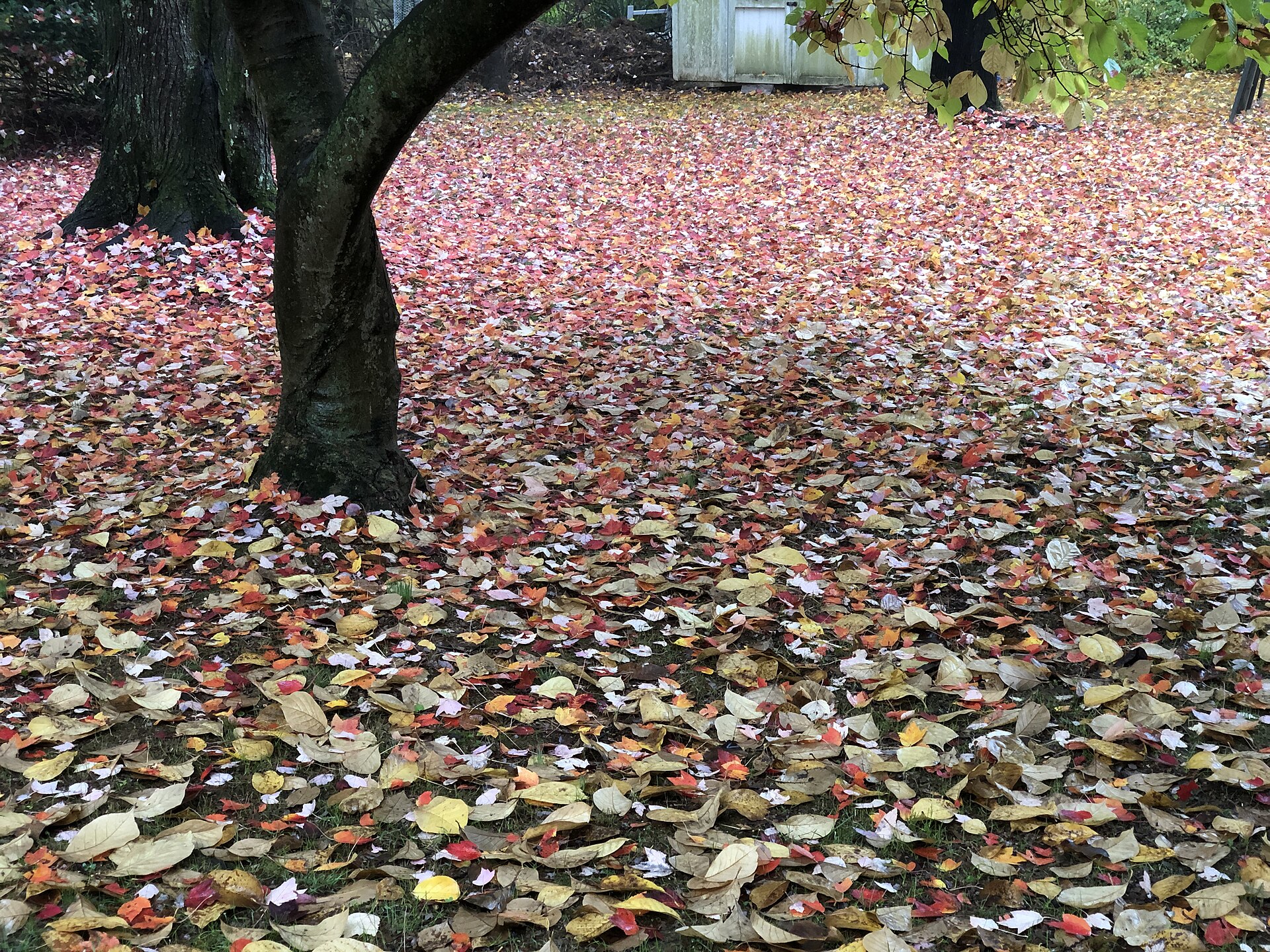
- Keep leaves and debris off the turf. A mat of wet leaves blocks light and traps moisture, which is an open invitation to fungus.
- Watch for large patch. Circular brown or orange patches that expand in cool, wet stretches are usually this fungus, not cold damage.
- Spot-treat winter weeds. Cool-season weeds like annual bluegrass, chickweed and henbit stay active while the lawn rests, and they are easiest to remove while small.
- Plan the late-winter pre-emergent. The spring weed window usually opens between mid-February and early March in the Jacksonville area, timed to soil temperature.
Watering days are limited right now: read the one-day-a-week watering rules for Jacksonville and St. Johns County. For round brown patches that keep growing, see large patch in St. Augustine grass.
What to Skip Until Spring
Most winter lawn damage in our area is self-inflicted: the right practice at the wrong time. These four can wait.
Heavy Nitrogen Feeding
Fertilizing during the coldest weeks pushes tender growth the next frost will burn. UF/IFAS guidance for North Florida is to wait until spring growth begins, usually around mid-April.
Aeration and Dethatching
Both wound the turf on purpose, and the lawn heals them only while actively growing. Save these for late spring when recovery is fast.
Scalping the Lawn
Cutting low before cold snaps exposes crowns to frost damage. Keep the mowing height up until consistent spring growth returns.
Watering on a Summer Schedule
Cool-weather overwatering is the main driver of large patch fungus in St. Augustine turf. Water on wilt, not on the calendar.
Brown Does Not Always Mean Dead (or Harmless)
A brown winter lawn is usually just cold-bronzed and waiting for spring. Sometimes it is not. The pattern and timing tell you which situation you are in:
| Clue | Cold Dormancy | Large Patch Fungus | Pest Damage |
|---|---|---|---|
| Pattern | Uniform browning across exposed areas right after a frost | Circular patches that slowly expand in cool, wet weather | Irregular patches with a visible damage border, any season |
| Timing | Appears within days of a hard freeze | Most active fall through spring in wet stretches | Often appears in warm months but lingers unnoticed |
| Recovery | New green growth returns from crowns in spring | Slow recovery; improve drainage and ease off water | Spreads until the pest is identified and treated |
Two pests stay worth ruling out through winter. Grub worms feed on roots into the fall and their damage often goes unnoticed until the lawn fails to green up, and chinch bug damage from autumn lingers as dead patches that never recover. Our chinch bug damage guide shows what that looks like.
Local Lawn Help From RightWay
RightWay's lawn fertilization, weed control and lawn-pest service is built around Northeast Florida conditions: treatment timing follows turf growth and weather, not a national calendar. Homeowners can also review service information for Ponte Vedra, St. Augustine and other St. Johns County communities.
Service is available in selected Northeast Florida communities. Contact RightWay through the quote form or call 904-290-6400 with your address and a description of what the lawn is doing.
Sources
- UF/IFAS Gardening Solutions: Your Florida Lawn in Winter
- UF/IFAS EDIS: Homeowner Best Management Practices for the Home Lawn
- UF/IFAS EDIS: Watering Your Florida Lawn
- UF/IFAS EDIS: St. Augustinegrass for Florida Lawns
For the spring start date and local limits, see when to fertilize St. Augustine grass in Jacksonville and St. Johns County.